
Tips on Selecting Quality Hay for Your Animals
Selecting the right hay for your livestock is crucial. It directly affects their health, growth, and productivity. Different animals have distinct nutritional requirements, making it essential to understand these needs before choosing hay. This guide will walk you through key considerations, types of hay available, and expert tips on ensuring you select the best option for your herd or flock.
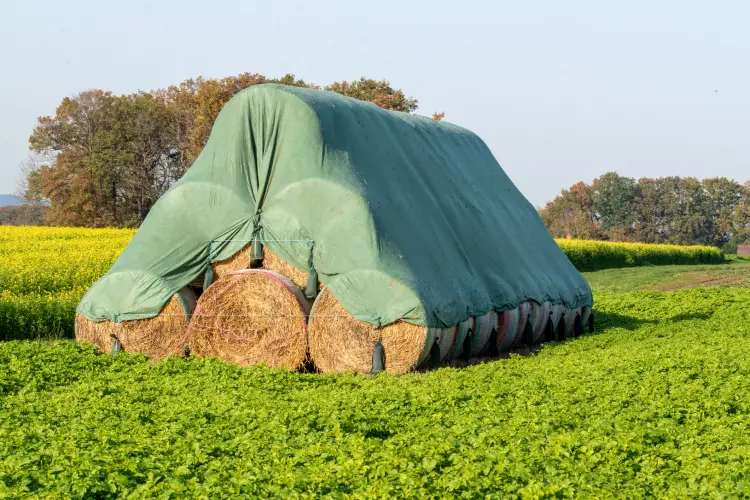
Understanding Hay Types
There are several types of hay, each with unique benefits. Alfalfa hay is protein-rich and ideal for dairy cows and horses needing high energy. Grass hays like Timothy are lower in protein but higher in fiber, making them suitable for adult horses and cattle. Clover hay provides a good balance of nutrients and can be mixed with other hays for variety.
Evaluating Nutritional Content
Assessing the nutritional content of hay is vital. Look at protein levels, fiber content, and mineral presence. Quality hay should have a sweet smell and green color. If you see “hay for sale,” ensure you request a nutritional analysis report. This document helps confirm that the hay meets your animals’ dietary needs.
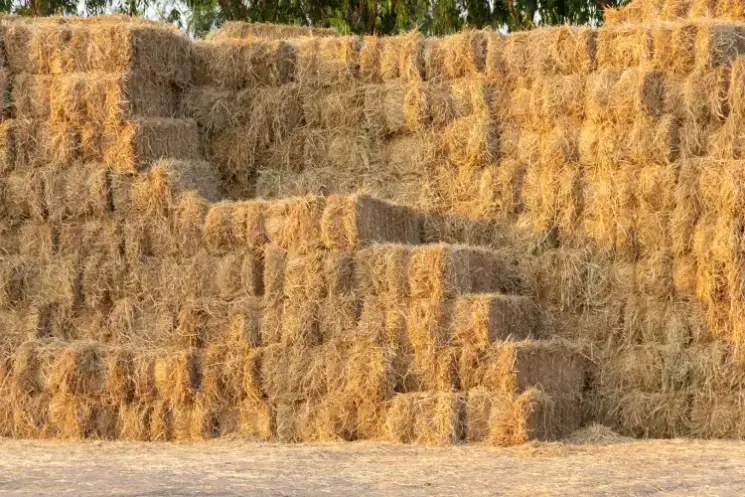
Inspecting Physical Characteristics
A visual inspection can reveal a lot about hay quality. Check for mold, dust, and weeds. Good hay should be free from foreign objects and have uniform texture and color. When considering “hay for sale,” physically inspect it if possible, to avoid purchasing subpar products.
Balancing Cost With Quality
While price is an important factor, it shouldn’t overshadow quality. Cheaper hay might save money upfront but could lead to health issues later. Consider both cost and nutritional value to ensure you’re making a sound investment for your livestock’s health and wellbeing.
Considering Storage Conditions
Proper storage maintains hay quality over time. Keep hay in a dry place protected from rain and pests. Storing bales off the ground on pallets helps prevent moisture absorption. Implementing these practices extends the lifespan of your hay supply while preserving its nutritional value.
Consulting With Experts
Expert advice can be invaluable when selecting hay. Veterinarians or agricultural extension officers can provide tailored recommendations based on your livestock’s needs. They may also suggest local suppliers known for high-quality offerings or help interpret nutritional reports.
Finding Reliable Suppliers
Choose suppliers with a reputation for quality hay and transparent business practices. Networking with local farmers or using online forums can lead you to trustworthy vendors. Consistently reviewing supplier feedback ensures ongoing satisfaction and quality assurance.
- Research different hay types for specific livestock needs
- Request nutritional analyses from suppliers
- Inspect physical characteristics before purchase
- Balance cost with quality concerns
- Store properly to maintain quality
- Seek expert consultation as needed
- Ensure reliable supplier relationships
Your Partner in Choosing Quality Hay
Aldridge's Farms offers comprehensive support in selecting the right hay for your livestock’s nutritional requirements. Based in Athens, TX, our team delivers unmatched service and expertise to ensure your animals thrive. Contact us today at (903) 212-2286 to learn more about how we can assist you in meeting your livestock feeding goals.